
The Greenwich
Built $25K in Event Pipeline
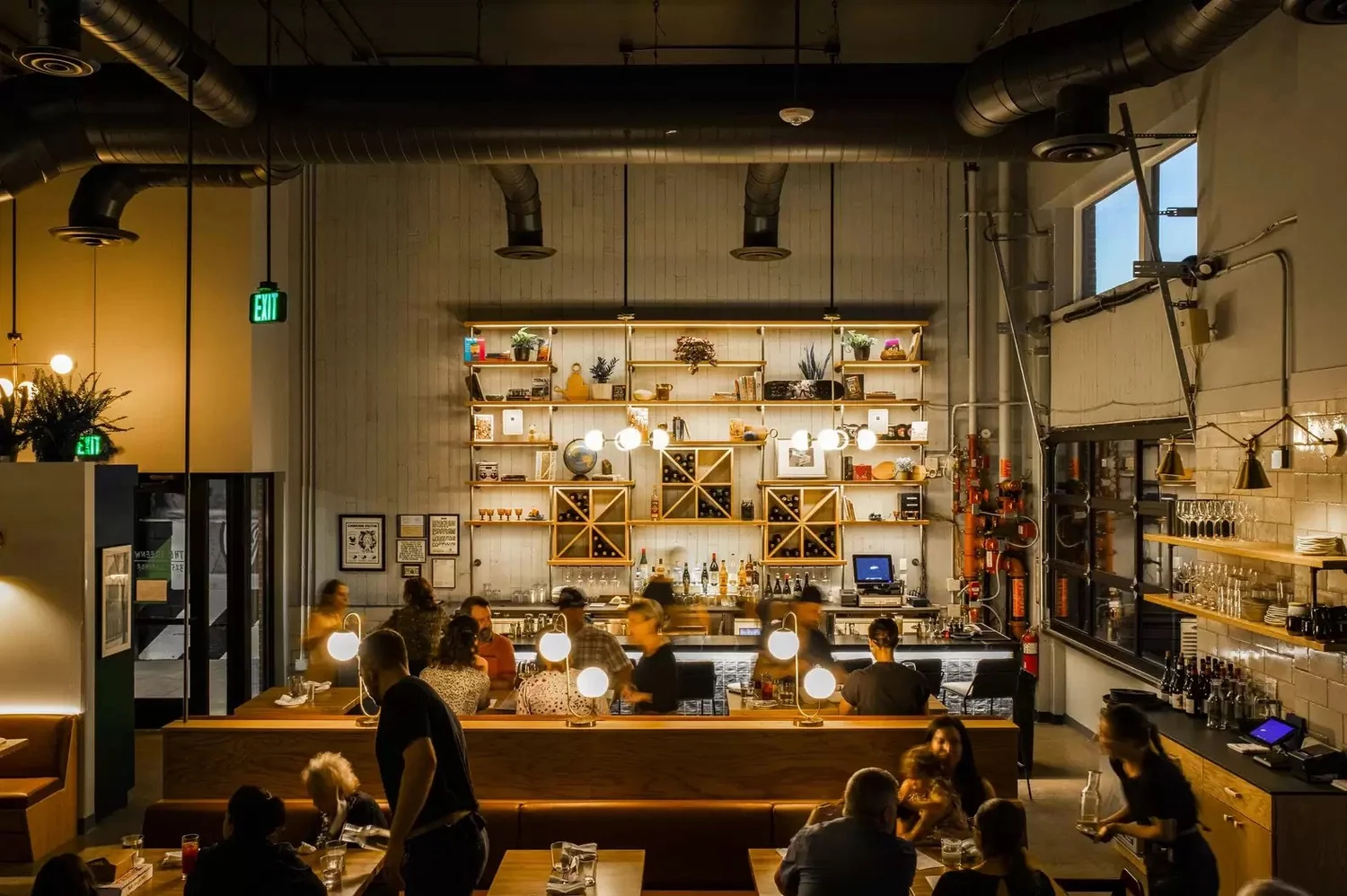
The Greenwich, a full-service restaurant on Larimer Street in Denver run by owner Drew Davis, hosts private events in a space that seats 35 and stays open to the rest of the dining room. For Drew, private events were where the model worked best, at $100 to $110 a person, in a city where full-service restaurants average about 2% margins. But every event came from organic inbound. There was no time, and no system, to go back to the hundreds of companies and families who had already celebrated there.
In June 2026, Dexter started reaching out to The Greenwich's past corporate and social guests on Drew's behalf. From June 8 to October 19, 2026, The Greenwich:
- reached 2,719 past guests
- got a 23.9% reply rate from past corporate clients (7.0% across all six campaigns)
- built $25,464 in event pipeline, 11x the cost of Dexter
- booked 3 events worth $5,014 so far
“It's math. You pay this much and you get substantially more than that into your bank account. People straight up forget you exist completely. And just being in their inbox can suddenly spur them into action. And by the way, they do 90% of the work. The value proposition is pretty darn strong.”
— Drew Davis, Owner, The Greenwich
Challenge
Private events kept The Greenwich's numbers working. They were one of the few times the operating model worked, because the restaurant could charge enough per person. Drew had done the work to handle inbound well, with event decks, photos, menus, and work on the website and search, but he had done no outreach at all.
Key Points
- 100% reliant on inbound. No outreach to past event clients.
- No time or expertise for outbound. Sending at scale means multiple inboxes, spam filters, personalization and sequencing, none of which an owner-operator has time to learn.
- Past clients went quiet. Companies that had hosted great dinners never heard from the restaurant again, so they didn't rebook.
“It was all organic inbound. We did our part to make sure that when we got inbound, we were able to do it well. But I did zero in terms of outreach.”
— Drew Davis, Owner
Solution
Dexter built six campaigns from The Greenwich's own history (past corporate and social event clients, booked and lost, plus past OpenTable diners) and sent personal emails from Drew and in his voice, using Dexter's dedicated sending setup built to stay out of spam. Replies went straight to Drew.
Because The Greenwich already had its private event offering, menus and spaces buttoned up, Drew could take a reply to a deposit in a handful of emails.
“I barely had time to send emails, let alone be strategic with the tech stack and the strategy behind sending emails. I can have an opinion like, ‘I don't think this email will do well,’ and you come back with, ‘We've sent 11,000 of these. They do fine.’ That opens a lot of doors in terms of who you can reach out to.”
— Drew Davis, Owner
The email that worked
The best campaign went to past corporate clients who had booked before, and 23.9% of them replied, against an average of 7.0% across the six campaigns. The offer was simple: a thank you, a free round at the bar, and a gift card for booking an event.
Subject: thank you
Hi [first name], we loved having you out for your holiday party, so we wanted to send a small thank you.
The first round is on us next time you swing by, just mention this email at the bar.
We are running a group event special through October 15th. If you book an event by then, we'll include a $50 gift card.
Have anything coming up?
Talk soon,
Drew
Three short follow-ups ran in the same thread.
A Thank-You Note That Became a 35-Person Dinner
One past corporate client, a go-to-market advisory firm, had held its holiday party at The Greenwich. On June 8, their operations manager got Drew's thank-you email. She forwarded it to a colleague who was planning the company's September offsite, and on June 19 the colleague wrote back asking about a team dinner for about 35 people, exactly the private dining capacity. Drew called her, and the deposit was paid on a $3,343 dinner.
They weren't shopping for a venue. They just needed a reminder that The Greenwich existed.
“Having you and the larger Dexter team take on the energetic lift of screaming into the void on my behalf meant that when I was interacting with someone, it was already in the direction of a productive conversation. It was probably less than three emails back and forth total to go from the handoff to a deposit.”
— Drew Davis, Owner
Results
Before Dexter, The Greenwich did no outreach to past guests. From June 8 to October 19, 2026:
- Past Guests Reached: 2,719
- Reply Rate: 7.0% average, 23.9% from past corporate clients
- Pipeline Created: $25,464 across 17 events
- Events Booked: $5,014 across 3 events
- Return: 11x the cost of Dexter
Campaign stats as of November 15, 2026; pipeline as of November 13, 2026.
Unexpected Wins
- A partner, not a chatbot. “One of the things I've appreciated the most is how human and how connected the experience has been. I'm not with a chatbot. You and I have had many conversations about what's working, what's not working, and what we want to try.” — Drew
- Goodwill, not just bookings. Many past guests replied just to say thank you, even with no event planned. One guest in Boulder, who runs a restaurant himself, wrote three paragraphs about how kind the team had been on his visit the week before. Drew said that while margins are tight, hearing that kind of thing is really sweet to receive.
- Fewer complaints than feared. Drew was nervous that outreach would feel off brand for a hospitality business. In the end, he said he could count on one hand the people who were genuinely upset. Most replies were neutral or warm, and some guests thanked him for the reminder.
- Even free is a hard sell. Hundreds of past guests got an email offering a free dinner, and about two took it up. Drew's takeaway: most people appreciate the gesture but never act on it, so restaurants can afford to be far more generous with offers than they think.
- Why it works. Drew described Dexter simply: it makes it easy for people to come back. First visits come from novelty, and regulars keep a restaurant alive, but the second and third visits are the hardest to win. Outreach to past guests goes straight at that gap.